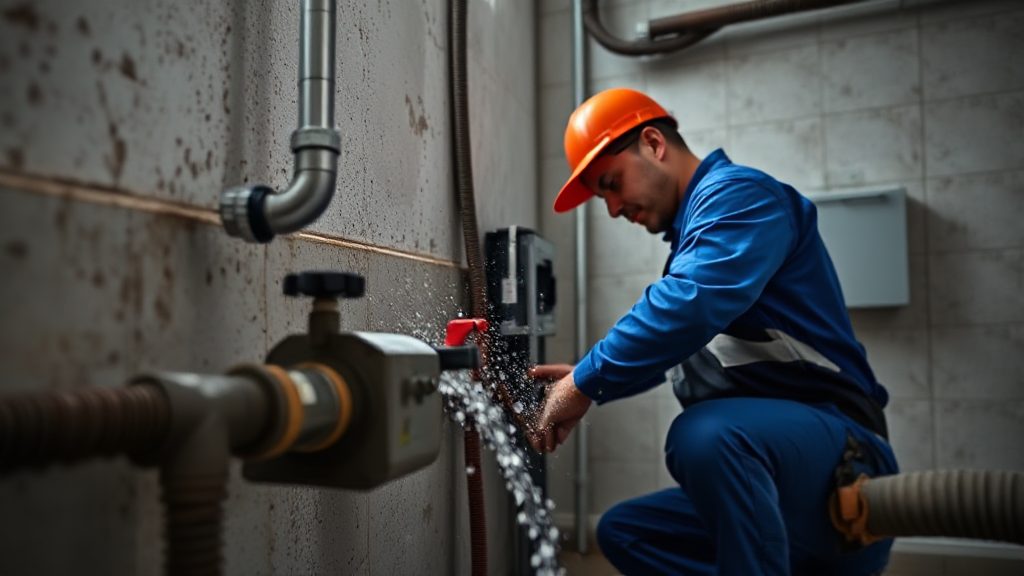
Emergency Plumber vs. Scheduled Repair: What Changes When a Drain Backs Up in Consolação
Something changed in Consolação over the past few years: the buildings got denser, the old cast-iron stacks got older, and the tolerance for a slow drain dropped to almost zero. When a resident calls me now, it is rarely about a scheduled maintenance visit — it is a sink filling with grey water at 11 p.m. or a garage floor drain pushing sewage back into the hallway. That is why the first decision is not which company to call, but whether this is an emergency or a planned job. The answer changes the tools, the cost, and the risk of damage. If you are searching for a desentupidora Consolação São Paulo SP, the fastest useful step is to describe the symptom accurately before anyone arrives.
I have handled these tickets long enough to know that the same blocked pipe can be a twenty-minute job or a two-day excavation, depending on what the caller says in the first thirty seconds. This is the order of events I walk people through, from the moment the water starts rising to the moment the drain runs clear again.
Step One: Read the Symptom Before You Call Anyone
The first action is not dialing. It is observing. A single slow sink is a local clog; multiple fixtures backing up at once points to a branch line or the main stack. Water rising in a floor drain when you flush the toilet is the classic sign of a blockage downstream of the fixtures. That distinction decides whether a technician needs a hand auger or a truck-mounted hydrojetting unit.
Write down three things: which fixtures are affected, whether the water is clear, grey, or dark with solids, and whether there is any gurgling or smell. Those details let a dispatcher send the right crew the first time. In Consolação, many buildings share a single vertical stack, so a blockage on the fourth floor can show up as a backup in a ground-floor shop. Multiple affected fixtures almost always mean a shared line, not a local trap.
What you should never do while waiting
- Do not pour chemical drain cleaner into a fully blocked line — it sits there and can damage older pipes.
- Do not keep flushing or running taps to “test” the drain; you are adding volume to a system that cannot move it.
- Do not open a cleanout cap without a bucket and gloves; pressurized waste can spray.
- Do not ignore a sewage smell in a bathroom with no visible backup — it often means a dry trap or a vent issue.
Once you have the symptom picture, the call becomes a technical conversation instead of a guess. That is the difference between a crew arriving with a rodding machine and one arriving with a hydrojetting truck.
Step Two: Choose Between Emergency Dispatch and a Scheduled Visit
An emergency dispatch is justified when waste is entering a living space, when a commercial kitchen cannot operate, or when water is threatening electrical panels or stored goods. A scheduled visit is the better choice for a slow drain that still moves water, a recurring gurgle, or a preventive cleaning before a rainy season. The trade-off is simple: emergency service costs more because it happens outside normal hours and often requires a larger crew, but waiting on a genuine backup can cost far more in damaged flooring and lost business.
For a building in Consolação, the decision usually belongs to the síndico or the building manager, not the individual resident. A single apartment’s slow drain may be that apartment’s problem; a backup in the common area is a building issue. Calling a desentupidora Consolação that handles both residential and condominium calls avoids the awkward situation where two different companies arrive for the same blockage.
How to describe urgency on the phone
Use plain language: “sewage is coming up in the garage drain and spreading toward the elevator” tells a dispatcher more than “the drain is clogged.” Mention the floor, the fixture, and whether the flow has stopped completely. If you have a cleanout access point, say so — it saves the crew time locating it. If the building has a septic or grease interceptor system, mention that too, because it changes the equipment needed.
One practical note from the tickets I have handled: the buildings that recover fastest are the ones with a clear access point and a manager who knows where the main cleanout is. Buildings without that information lose an hour before work even starts.
Step Three: What the Technician Actually Does, in Order
The visit follows a predictable sequence. First comes inspection: locating the cleanout, checking the affected fixtures, and confirming whether the blockage is in the branch line, the main stack, or the connection to the street. Then comes the mechanical work — a hand auger or rodding machine for a local clog, or hydrojetting for grease, scale, and roots in a larger line. Hydrojetting uses high-pressure water to scour the pipe walls rather than just punching a hole through the blockage, which is why it is preferred for recurring problems in older buildings.
After the line is open, the technician should verify flow by running water through the affected fixtures and watching the cleanout. A drain that “seems fine” but was not tested under load will often back up again within days. If the blockage was caused by grease, roots, or collapsed pipe, the technician should tell you what they found and whether a camera inspection is warranted. A proper job ends with a flow test, not just a cleared drain.
Where the time actually goes
| Stage | Typical effort | What can slow it down |
|---|---|---|
| Locating access | Minutes to an hour | No cleanout map, locked areas, parked cars over covers |
| Clearing the line | Under an hour for simple clogs | Grease, roots, or collapsed sections |
| Verification | Short but essential | Skipping it causes repeat calls |
For a straightforward residential clog, the whole visit is often under an hour. For a commercial kitchen with a grease-choked line, plan on a longer session plus a follow-up cleaning schedule. The pattern I see repeatedly is that the cheapest-looking callout becomes the most expensive when the verification step is skipped and the same drain backs up a week later.
Step Four: Prevent the Repeat Call and Know What It Costs
Once the drain is clear, the useful work is prevention. In Consolação’s older buildings, that usually means a scheduled hydrojetting or rodding visit once or twice a year for the main line, plus simple habits at the fixture level: strainers in sinks, no grease down the drain, and no wipes in the toilet. For commercial kitchens, a grease interceptor cleaning schedule is not optional — it is the difference between a working kitchen and a closed one.
On cost, be skeptical of any quote given before the technician sees the line. A local clog and a main-line blockage are different jobs with different equipment. Ask whether the price includes the flow test and whether a follow-up visit is covered if the same blockage returns. For a condominium, ask for the report that the síndico can keep on file — it helps justify the expense and supports any future insurance claim.
If you are comparing providers, the practical test is whether they ask about the building’s plumbing before quoting. A desentupidora em Consolação São Paulo SP that handles emergency calls, hydrojetting, and septic tank cleaning under one roof will usually give you a more accurate assessment than a general handyman, because the equipment and the diagnostic steps match the problem. The right provider asks questions before naming a price.
Lessons from the tickets I wish had gone differently
- Callers who described the symptom precisely got the right crew on the first visit.
- Buildings with a cleanout map avoided the most expensive delays.
- Chemical cleaners used on fully blocked lines caused more damage than the original clog.
- Skipping the flow test was the single most common cause of repeat calls.
None of these lessons are complicated, but they are easy to skip when water is rising. The order matters: observe, describe, choose emergency or scheduled, verify the work, then prevent the next one.
Frequently Asked Questions
How quickly can a desentupidora reach Consolação in an emergency?
Response time depends on traffic and the time of day, but emergency services in central São Paulo generally aim to arrive within a short window after the call is confirmed. Giving a precise address, floor, and access instructions when you call is the biggest factor in reducing delay.
Is hydrojetting always better than a manual auger?
No. A hand auger or rodding machine is often enough for a local clog in a sink or toilet branch. Hydrojetting is the better choice for grease, scale, and roots in larger lines, or when a blockage keeps returning. The technician should choose based on what the inspection shows, not on what equipment happens to be on the truck.
Can I use chemical drain cleaner before calling a professional?
It is risky on a fully blocked line. The chemical sits in the pipe, can damage older joints, and creates a hazard for the technician who later opens the line. Mechanical clearing is safer and more reliable for a complete blockage.
Who is responsible for a blocked drain in a condominium?
It depends on where the blockage sits. A clog inside a private unit is usually the owner’s responsibility; a blockage in the shared stack or common-area line is typically the condominium’s. The síndico should confirm the location with the technician before authorizing the work.